Example record
Northern Cardinal
Perch type: nearby crossbar or structure.
Location published only at a coarse regional level.
“Arrived first. Inspected everything. Offered no statement.”
Photos. Species. Sightings. Field notes. A quiet scoreboard. Public evidence without tracking the public.
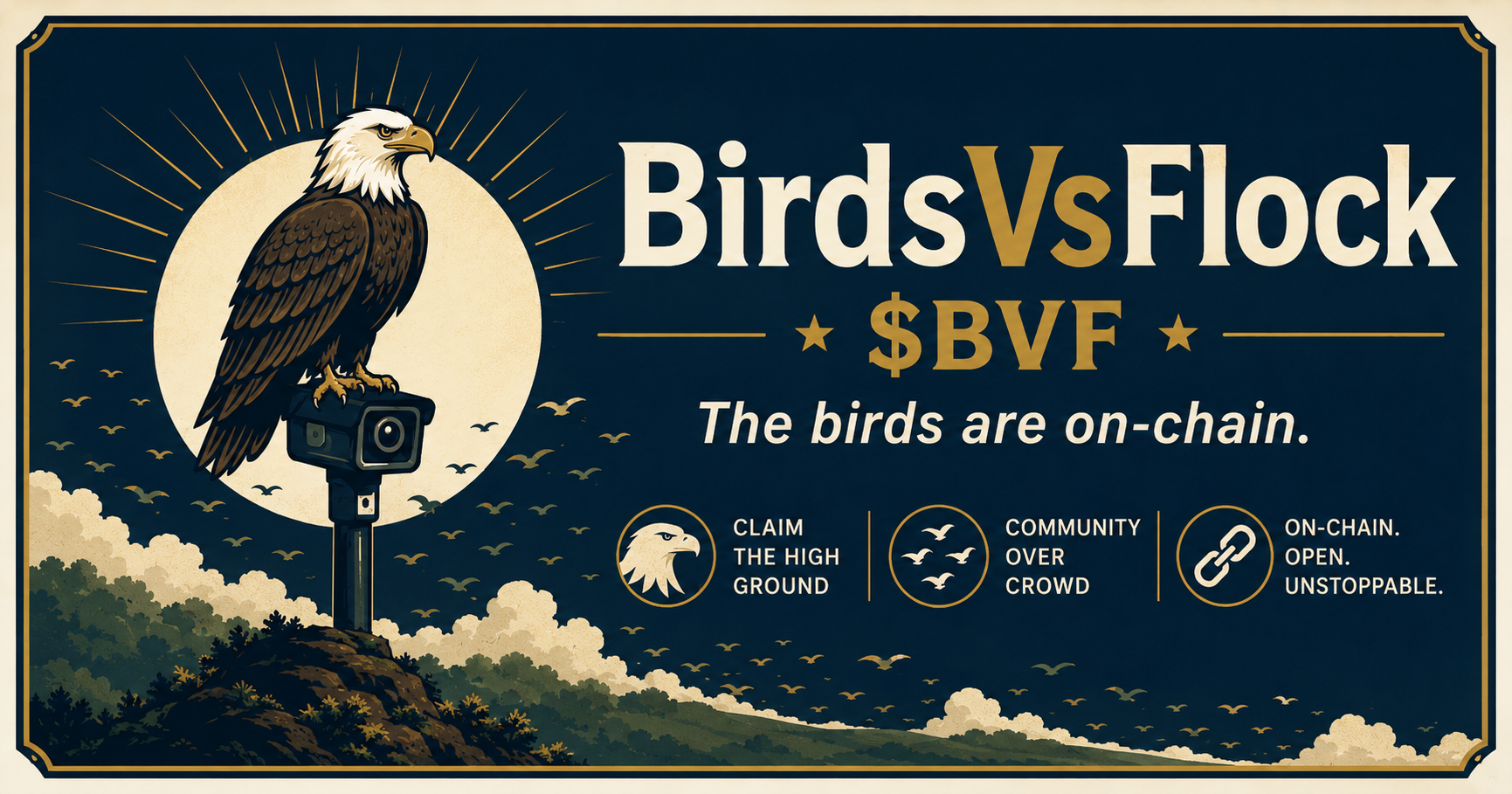
The archive will render verified records from a small first-party JSON dataset. These are layout examples only and are not represented as real sightings.
Perch type: nearby crossbar or structure.
Location published only at a coarse regional level.
Observed from a lawful public vantage point.
No equipment interaction by the submitter.
Large raptor sighting. Sensitive nesting coordinates would never be published.
Public images should have EXIF metadata stripped. Exact coordinates should normally be generalized to a county, municipality, or similarly coarse region.
Nesting, roosting, or otherwise sensitive wildlife locations should be withheld or generalized further.
Records distinguish submitted, reviewed, and verified rather than silently presenting everything as fact.
Human-readable sightings.json snapshots and SHA-256 manifests let anyone preserve and verify the published archive.
The project records what birds do. It does not instruct participants to touch, alter, obstruct, damage, climb, or trespass on equipment or property.
This static build does not pretend to have a working upload backend. The production submission endpoint can be added later with first-party processing, immediate metadata stripping, coarse-location publication, rate limiting, and minimal short-lived security logging.
Design target: no ad IDs, no behavioral analytics, no third-party trackers, no session replay, and no token ownership requirement.
BirdsVsFlock remains fully usable without cryptocurrency. The optional cultural/token layer lives separately and does not buy editorial authority, verification status, or influence over the wildlife record.
Something exciting is coming — check back soon →BirdsVsFlock is an independent commentary and documentation project. It is not affiliated with, endorsed by, or sponsored by Flock Safety. Participation does not require interacting with surveillance equipment, and the project does not reward such interaction.